
Peptide Therapy in Las Vegas
BPC-157 for Recovery: What This Healing Peptide Can (and Can’t) Do
A plain-English look at the peptide everyone at the gym keeps talking about.
◆ ◆ ◆
If you spend time around a gym in Summerlin or a pickleball court in Centennial Hills, you have probably heard someone mention BPC-157. People call it the healing peptide, so let us talk about what it actually is, what the early research suggests, and where the honest limits are.
At Luxe Med, peptides are one of the most common things patients ask about, right after weight loss and hormones. Most people asking about BPC-157 are active people dealing with a nagging injury or a slow recovery. That deserves a straight answer.
What exactly is BPC-157?
BPC stands for Body Protection Compound. BPC-157 is a short chain of amino acids modeled on a protein fragment found naturally in gastric juice. Researchers first studied it for gut repair, and interest later spread to tendons, ligaments, and muscles.
Think of peptides as messengers. They signal cells to carry out specific jobs, and the job people care about here is repair: supporting blood flow to injured tissue and helping the body organize healing. Most research so far comes from animal studies and small early trials, not the large human studies we would want before calling anything proven.
Did you know?
BPC-157 was first studied for gut healing, not sports injuries. Its fitness reputation came later, as researchers noticed its effects on tendons and soft tissue in animal models.
What people use it for
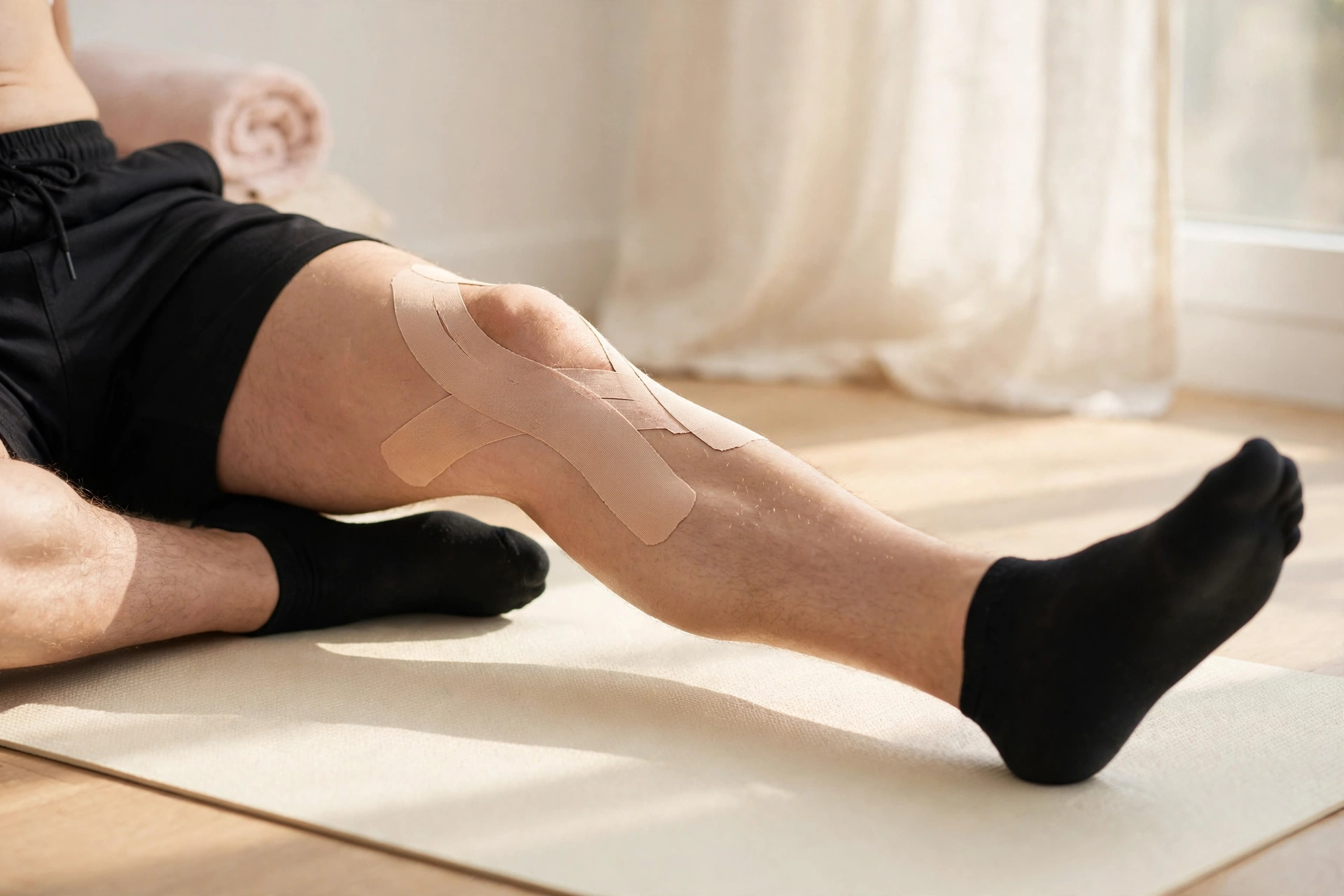
The patients who ask about BPC-157 usually share one story: a tendon issue that lingers for months, rest helps, then the pain returns the moment they train again.
“Peptides support healing. They do not replace it. The best results come when the peptide is one part of a real recovery plan.”
Lauren Harvey, DNP, APRN, FNP-BC, Luxe Med
BPC-157 vs. rest and rehab alone
Rest and physical therapy remain the foundation of recovery. No peptide changes that. The honest question is whether adding BPC-157 to a solid plan helps the body heal faster than the plan alone.
Rest and rehab alone
- Proven, well understood, and always the starting point
- Tendons heal slowly, with limited blood flow
- Works best with consistency and patience
Adding BPC-157
- Aims to support blood flow and tissue repair at the injury site
- Early research suggests faster healing in animal models
- Used alongside rehab, not instead of it
- Human evidence is still early
That last point matters most. BPC-157 is not approved by the FDA for human use, and it is not a guaranteed fix. Anyone who promises a certain result in a certain number of weeks is selling, not advising. At Luxe Med, it is prescribed through a licensed compounding pharmacy only after a consultation.
What a typical course looks like
Consultation and review. We talk through the injury, your training, your medications, and your health history.
A plan built around you. Dose, form, and length depend on the injury and your goals.
Recovery habits alongside it. Sleep, protein, and guided movement matter as much as the peptide.
Check in and reassess. We review how the area feels and whether to continue, adjust, or stop.
Myth vs. truth
A lot of what circulates online about BPC-157 is exaggerated.
Myth: BPC-157 heals any injury in a few weeks.
Truth: Healing timelines vary widely by injury and age, and research cannot yet predict who responds best.
Myth: It works just as well bought online, no provider needed.
Truth: Quality and dosing vary enormously outside a pharmacy. A provider-prescribed course from a licensed compounding pharmacy is the safer route.
Myth: Peptides are a replacement for surgery.
Truth: A torn tendon that needs surgery still needs surgery. Peptides may support recovery around a procedure, but they do not repair a tear that requires a surgeon.
Who should think twice
BPC-157 is generally described as well tolerated in the limited studies available, but that is not the same as safe for everyone. If you are pregnant or breastfeeding, have an active cancer diagnosis, take blood thinners, or have a complex medical history, bring that up before anything is prescribed. Athletes subject to drug testing should check their sport’s banned list first.
The bigger risk is not the peptide itself. It is the idea that one injection can replace the unglamorous work of recovery: physical therapy, sleep, protein, and patience. The peptide is a supporting player, and it should be treated like one.
“
Key takeaway: BPC-157 is a promising but still early-stage peptide for recovery. It may help support healing for stubborn tendon, muscle, and gut issues, especially alongside real rehab, but it is not FDA approved and not a substitute for rest, movement, and good medical guidance.
Frequently asked questions
Tap a question to open the answer.
Is BPC-157 FDA approved?
No. BPC-157 is not approved by the FDA for human use. It is prescribed through compounding pharmacies after a provider consultation, and the human research behind it is still early.
How is BPC-157 given?
It is most often given as a small injection under the skin, similar to other peptide therapies, or taken orally for gut-related concerns. Your provider will walk you through the technique if injections are part of your plan.
How soon do people notice anything?
It varies. Some people report less discomfort within a few weeks, while others notice gradual change over a longer course, and some notice little at all. Tendons heal slowly, so patience matters more than the calendar.
Ready to talk about your recovery?
Book a consultation at Luxe Med and we will build a recovery plan that fits your body and your goals.
Book Your VisitCall or text 725-321-8391
7477 W Lake Mead Blvd, Suite 200, Las Vegas, NV 89128